No upfront cost solar, explained without the sales pitch
Nothing to pay at installation, because a finance company owns the system and claims the 30 percent federal credit itself. It is also a 20 to 25 year commitment.
- $0 at installation on qualifying agreements
- Maintenance and monitoring usually included for the whole term
- Available in New York, New Jersey and Connecticut as a lease or a PPA
- Florida: leases only, PPAs are not permitted by state law

The American arm of Solar Panel Funding Ltd, which has helped homeowners find routes into solar in the United Kingdom since 2018. The 4.9/5 Trustpilot rating above is from 7,075 UK customers of the UK company, not from US customers. We have no US reviews yet and will not pretend otherwise. Why we show it anyway.
How it actually works
A finance company pays for the system and owns it. Because it owns it, it can claim the 30 percent Section 48E credit, which a homeowner buying the same system in 2026 cannot. It monetises that credit and prices some of the value into what it charges you. You pay nothing on day one, then a monthly amount for the length of the agreement.
That is the whole mechanism. It is not generosity and it is not a government program. It is a tax credit flowing to the party that can use it, with a share passed through to you in the pricing.
What you are actually signing
- Term: usually 20 or 25 years. Ask for the number, in writing.
- Escalator: an annual increase, commonly 1 to 3 percent, or zero on a fixed-rate agreement. Ask which one you are being offered.
- Total of payments: the sum of every payment across the full term. Ask for this figure in dollars and compare it to the cash price of the same system.
- Maintenance: normally included, because the finance company owns the equipment and wants it producing. Confirm what is covered and what is not.
- Transfer on sale: generally possible subject to the buyer qualifying. It adds a step to selling the house.
- End of term: what happens in year 25. Buyout, renewal, removal. Ask.
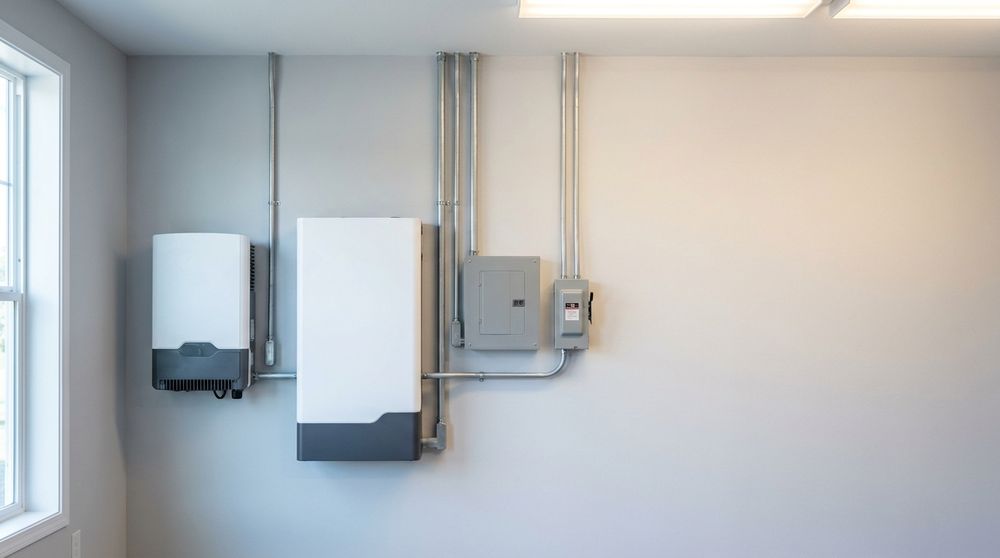
What actually gets installed
Panels and rails on the roof, an inverter and usually a battery on a garage or utility wall, a small sub-panel and a labelled AC disconnect. Under a lease or PPA all of it belongs to the finance company for the length of the agreement, which is why they carry the maintenance obligation.
Photography on this site is illustrative and does not depict a specific installation by Solar Funding USA or its partners.
The prepaid version
A prepaid lease is the same structure with the payments made upfront as a lump sum. The finance company still owns the system and still claims the 30 percent, which is discounted off what you pay. It suits someone who has the capital but does not have enough tax liability to have used a credit even when one existed. It is growing quickly for exactly that reason.
Where it is worth it and where it is not
It tends to work when
Your bill is high, your roof is south-facing and unshaded, you have limited capital, your tax liability is low, and you plan to stay put. Maintenance being someone else's problem for 25 years has real value.
It tends not to work when
Your bill is under about $100 a month, your roof is heavily shaded, you are likely to move within a few years, or you have capital and a tax position that makes owning obviously better. We will tell you if that is the case rather than push you into an agreement.
FAQs